
Infinity Sports with the support of the Ministry of Information of Cambodia presents an exclusive three-day Sports Journalism Workshop. Open to sports journalists, journalism students, corporate communication and public relation practitioners eager to refine their skills and gain valuable insights into sports media.


DETAILS
Date:
May 11-13
Venue:
Ministry of Information,
Preah Monivong Blvd
Participants:
Maximum of 50
Official Media:
www.infinitysport.asia/news
INTRODUCTION
The journalism workshop is a training programme designed to improve reporting skills, covering areas like writing, research, interviewing, editing, and digital storytelling.
This workshops vary in focus, from broadcast and investigative journalism to specific topics like cultural criticism or creative writing, and is offered to a range of skill levels, including university students, emerging journalists, and experienced professionals.

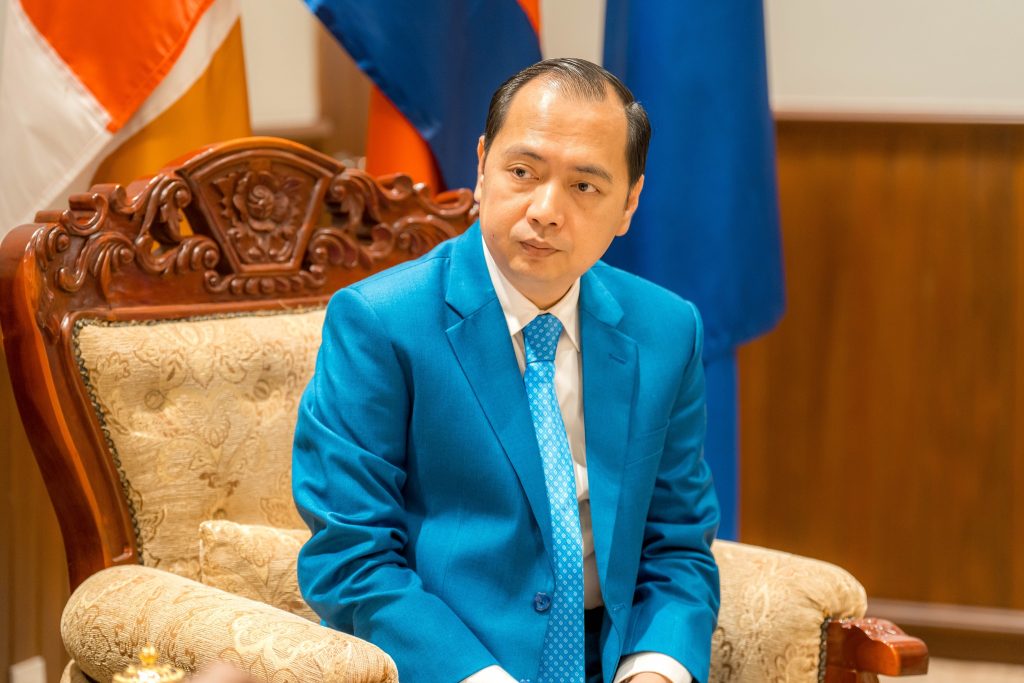
“We support this initiative to ensure that our writers, photographers, and commentators are well-versed in the specifics of each sport. This expertise is vital for delivering accurate information and engaging narratives during major sporting events.”
– Information Minister H.E. Neth Pheaktra
THE WORKSHOP LESSONS
Lesson 1 : Starting Out
What makes a good journalist? Learning about the real world of journalism, and the responsibilities and ethics of the profession. A brief look at the way in which the global Press has evolved and an analysis of different categories of newspapers and magazines. Key elements which may affect your ability to get your work published.
Lesson 2: Readers and Markets
Learning what readers and editors want, assessing the scope for getting material published and knowing how to research potential markets. How to present manuscripts professionally, avoiding common grammatical, spelling and punctuation errors and learning what is meant by ‘house style’ and ‘newspaper English’.
Lesson 3 : What is News?
Developing a strong news sense and recognising what makes a good story. Exploring the practical process of newsgathering, making contacts and identifying and following story leads. The opportunities for freelance contributions in the field of sports journalism.
Lesson 4 : Writing Features
Exploring the difference in approach required for a features article. Focusing on the importance of interviews in features writing; learning how to adapt the tone and style of your writing to different categories of subject matter. Dealing with topical news features.
Lesson 5 : More about Features
Progressing to in-depth features profiles; how to conduct successful face-to-face interviews. Using ‘standfirsts’ and different features introductions to play up a strong news angle or maximise a story’s human interest. Exploring eyewitness and offbeat approaches
Lesson 6 : Before you Specialise
The particular skills required by a range of specialist newspaper writers – from motoring journalists to gossip writers, from political columnists to critics, sports writers and photo-journalists.
Lesson 7 : Directing your Writing
Looking in depth at ways of developing ideas into saleable articles and at some of the subjects which provide most scope for freelance contributors. Learning the basic guidelines for producing articles for publication.
Lesson 8 : Journalists and the Law
Legal restrictions and how journalists can avoid costly legal action. The dangers of libel and other pitfalls; qualified privilege and unintentional defamation; criminal libel; and the need for fairness and accuracy. Restrictions on court reporting, and the dangers of contempt of court when matters are sub judice. The Official Secrets Act, the rights of the Press and a brief look at copyright
Lesson 9 : Sourcing Ideas and Putting them together
How to develop saleable ideas from the most unlikely sources and how to research your finished articles. How to ‘package’ intriguing and attractive ideas for newspapers and magazines, and the ground rules for successfully dealing with editors.
Lesson 10 : Sports Writing – an Overview
An overview of sport journalism – know what is expected of a sports reporter, the importance of good research, the routines of event reporting, regional newspapers and the reporter’s responsibilities.
Lesson 11 : Sports Interviewing
Understanding the place of the sports interview in journalism, getting access from sports personalities, preparing your story structure ahead of the interview, approaching publications willing to take an interview..
Lesson 12 : Bringing your Work to Fruition
Understanding the importance of the sporting calendar, writing sport news stories, sourcing information, niche markets, the golden rules of sport reporting and making the most of your interests.
Lesson 13 : Other Markets
You are now in a position to analyse accurately how to produce and sell articles targeted at different markets, from the regional and national press to mass market and specialist magazines and trade and technical publications.
Lesson 14 : Television and Radio
The differences in approach between broadcast and print journalism. Learning the writing requirements of various radio and television outlets. Markets are explored in detail, with advice on how to develop treatments and final scripts for broadcast.
Lesson 15 : Going it Alone
The final lesson gives you the vital preparation required to launch your writing career, whether on a part- or full-time basis. A questionnaire and detailed revision notes provide an opportunity to tie up any loose ends in your training, while businesslike advice about record-keeping and administration offers a firm foundation for pursuing a professional approach to future writing assignments.
REGISTRATION
Registration will close on April 30, 2026
Entry fee of USD 30 is chargeable to all participants.
Payments must be paid to Infinity Sport Co Ltd via ABA Bank Account Number: 009317619. Kindly email us the transfer record at events@infinitysport.asia
For any queries, please contact us at +855 70 740 715